

language
Product classification
Product Center
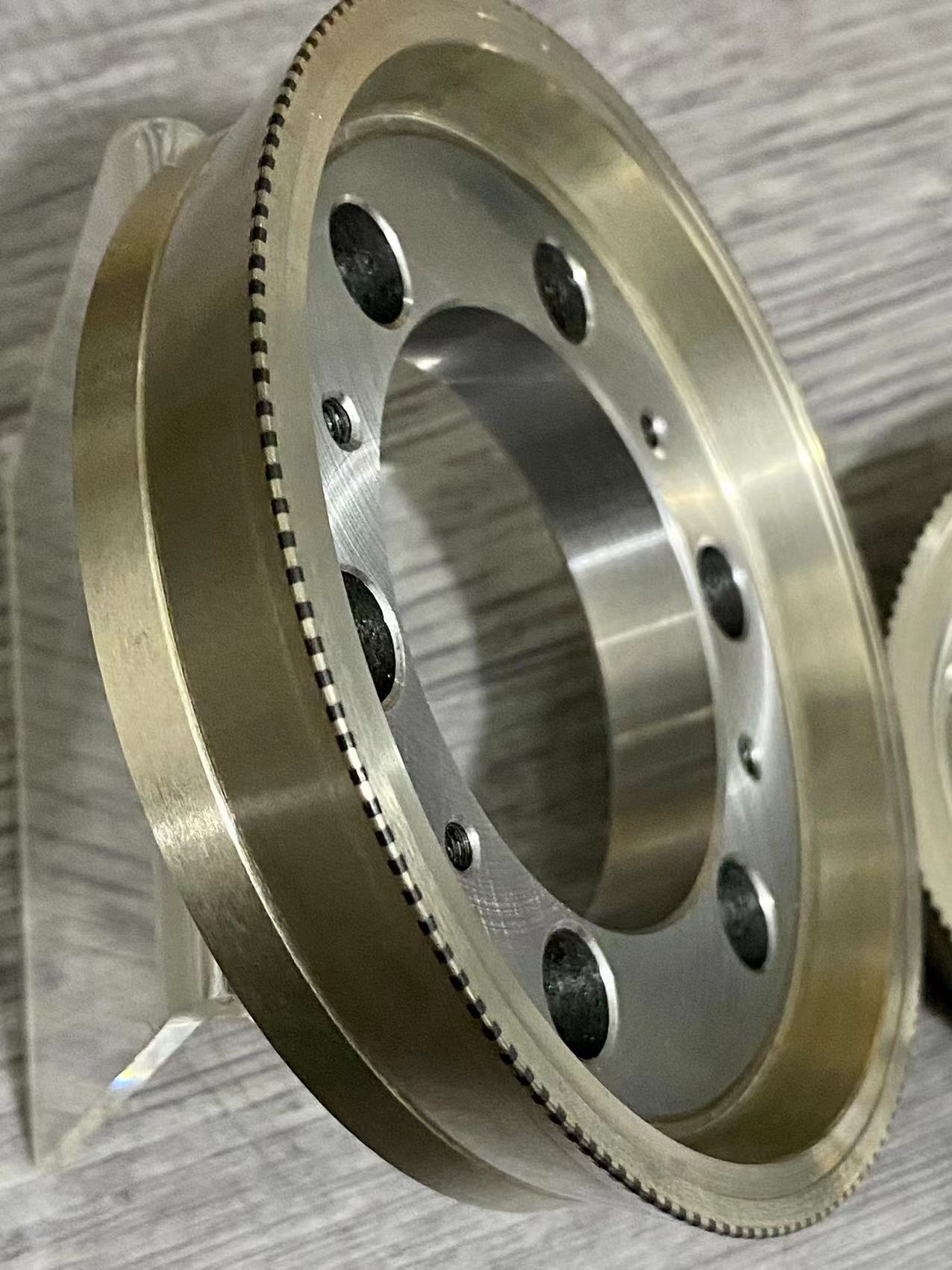
Diamond grinding wheels, also known as diamond dressing wheels or diamond wheel dressers, are tools used for dressing grinding wheels in large-scale shaping and grinding. They can replace single crystal diamond pens for dressing wheels, significantly improving production efficiency and achieving higher surface quality and precision of the processed parts.
Diamond grinding wheels, also known as diamond dressing wheels or diamond wheel dressers, are tools used for the dressing of grinding wheels in large-scale molding and grinding operations.
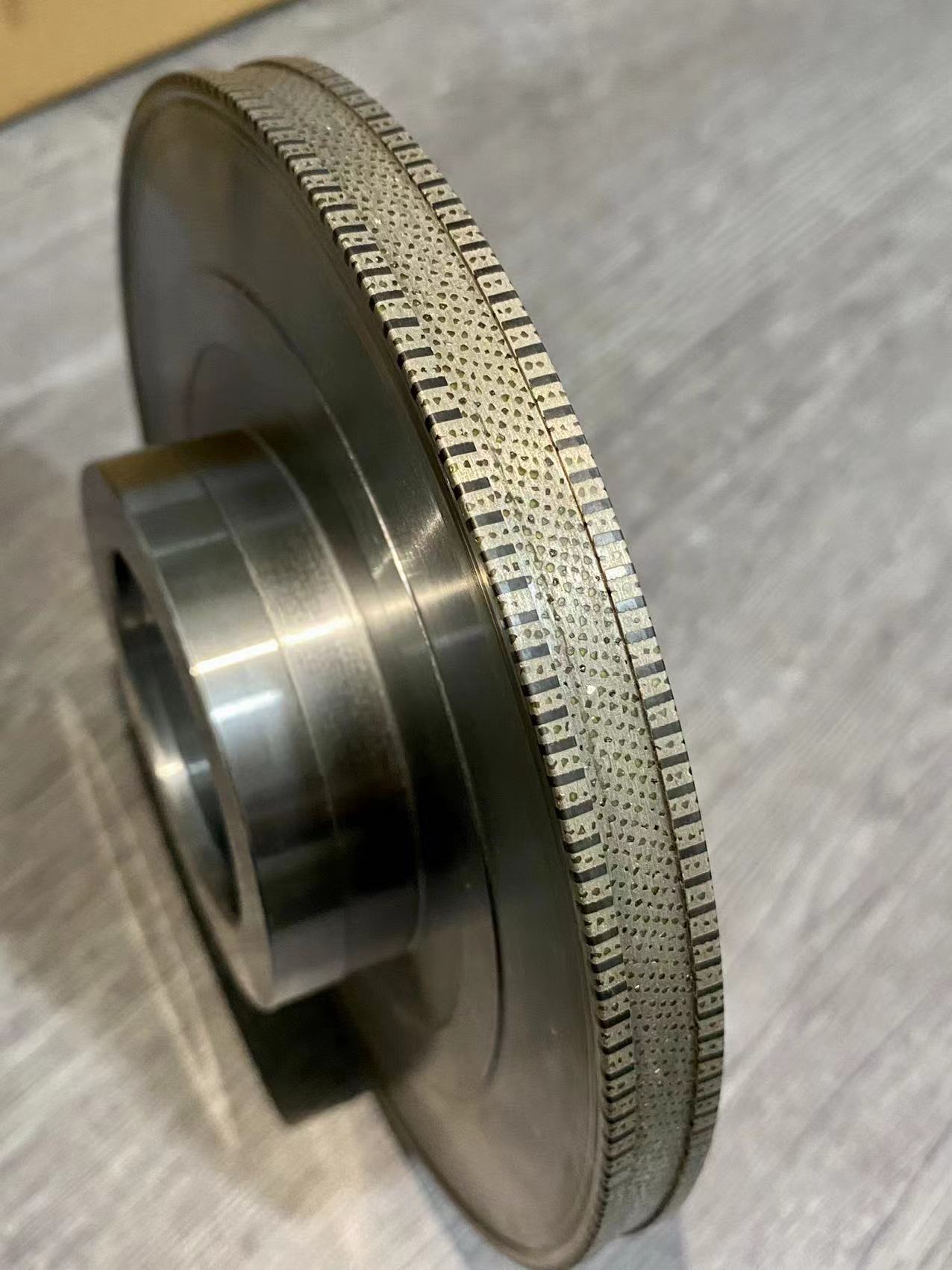
Diamond grinding wheels, also known as diamond dressing wheels or diamond wheel dressers, are tools used for dressing grinding wheels in large-scale shaping and grinding. They can replace single crystal diamond pens for dressing wheels, significantly improving production efficiency and achieving higher surface quality and precision of the processed parts.
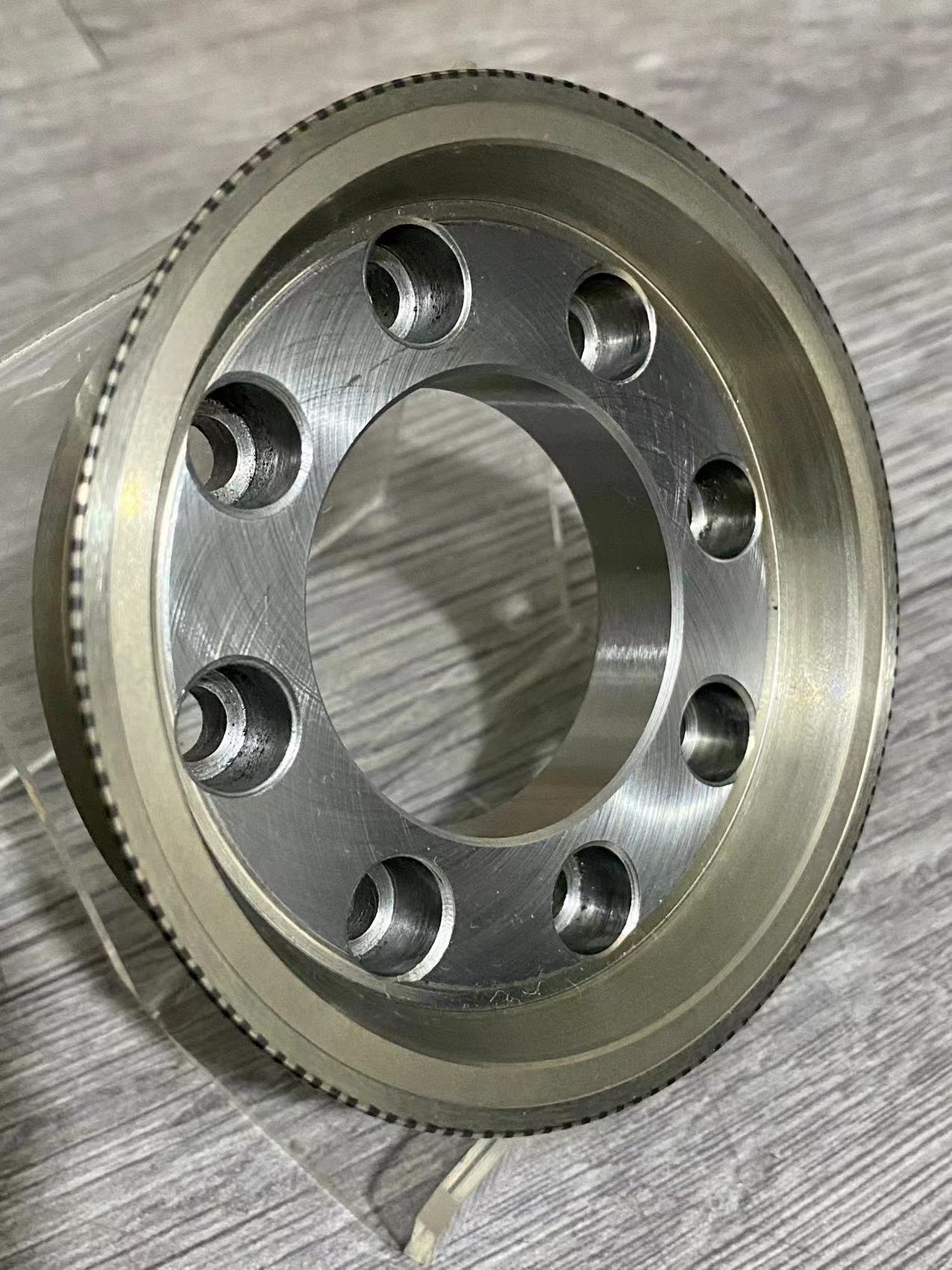
Diamond grinding wheels, also known as diamond dressing wheels or diamond wheel dressers, are tools used for dressing grinding wheels in large-scale shaping and grinding. They can replace single crystal diamond pens for dressing wheels, significantly improving production efficiency and achieving higher surface quality and precision of the processed parts.
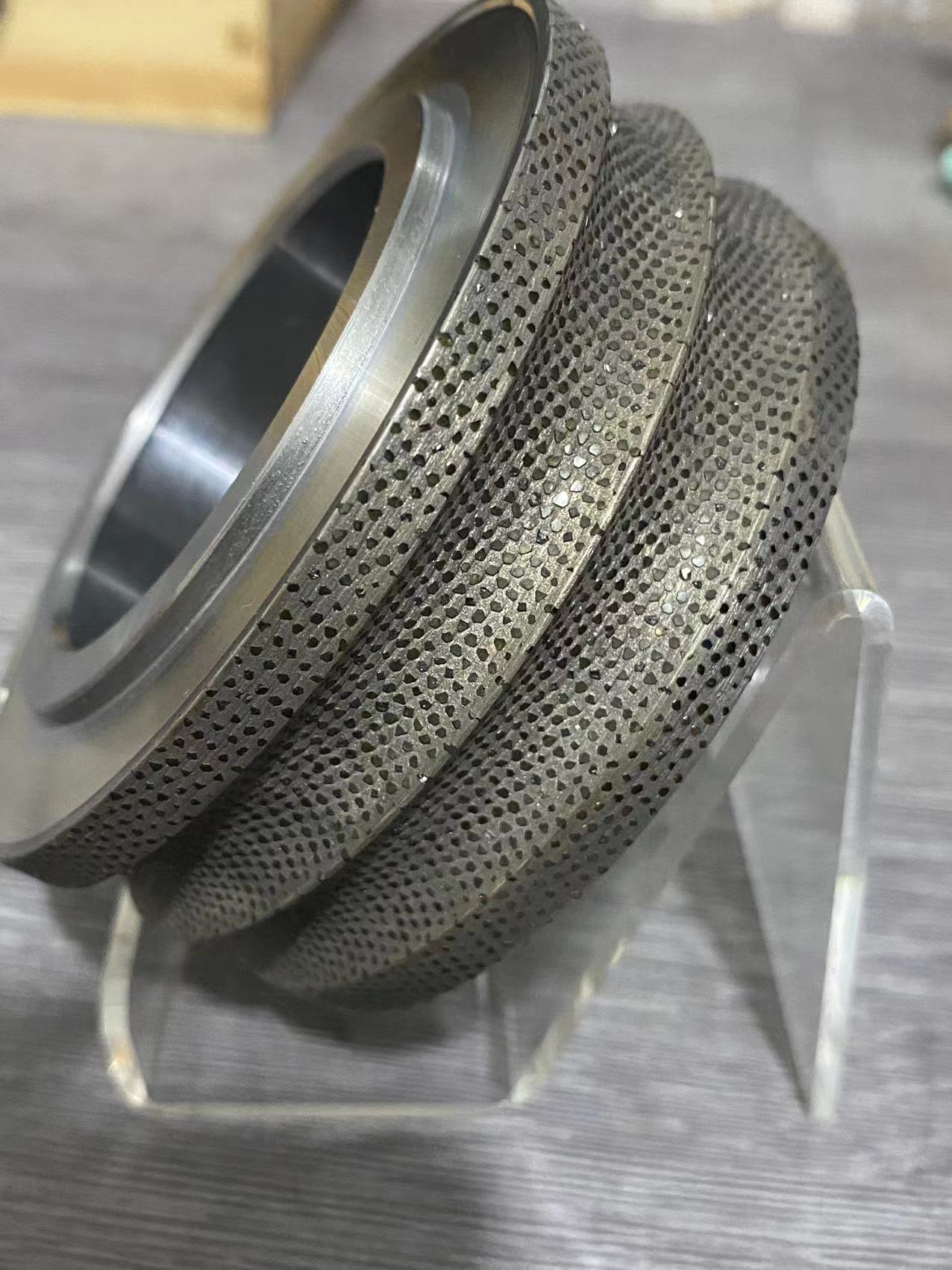
Diamond grinding wheels, also known as diamond dressing wheels or diamond wheel dressers, are tools used for dressing grinding wheels in mass production. They can replace single crystal diamond pens for wheel dressing, significantly improving production efficiency and achieving higher surface quality and precision of the machined parts.

Diamond grinding wheels, also known as diamond dressing wheels or diamond wheel dressers, are tools used for dressing grinding wheels in mass production. They can replace single crystal diamond pens for wheel dressing, significantly improving production efficiency and achieving higher surface quality and precision of the machined parts.
Diamond grinding wheels are used in various industries such as automotive, aerospace, measuring tools, and machine tools. Typical applications include gears, bearings, crankshafts, lead screws, ball cages, blades, oil nozzle pumps, measuring tools, guide rail blocks, micro rails, calipers, etc. In other words, wherever there is a demand for high-volume and high-precision wheel dressing, diamond grinding wheels can be utilized. They can be integrated into CNC machines and gear grinders with low requirements for operator experience compared to diamond pens.
Key points to note when using diamond grinding wheels:
1. Main parameters such as peripheral speed during wheel dressing and the left-right and front-back feed amounts.
2. The feed amount and grinding pressure during the grinding process of the diamond wheel; issues like deflection or misalignment of the diamond wheel.
3. Follow the action sequence of fast approach (do not touch the wheel) → slow approach (feed at required cutting speed) → light dressing → withdrawal when dressing the wheel; do not skip steps as it may affect the lifespan of the diamond wheel.
The working principle of a diamond grinding wheel is: by installing it on a dressing device on a grinder machine to dress ordinary ceramic or CBN wheels. After shaping the wheel, parts are ground so that the profile and precision of the diamond wheel are replicated onto the surface of the machined parts through the grinding wheel. Its characteristics include simple operation of machine tools with low technical requirements for operators; good consistency in product precision; stable quality; significant improvements in production efficiency and product quality; reduced manufacturing costs; and easy automation of grinding processes. Compared to traditional single-point diamond pen dressing methods, production efficiency is greatly improved while achieving higher surface quality and precision in machined parts—especially suitable for high-precision mass production.
We have rich engineering design and manufacturing capabilities focused on developing better-forming diamond grinding wheels to provide long-term technical support to customers while maintaining stability in their mass production.
The company has become a supplier replacing imported products for high-end customers due to its research and development capabilities in diamond grinding wheels along with high-precision processing capabilities.
Products are mainly applied in various automotive component manufacturing industries, bearing industries of all kinds, textile machinery gears, petroleum machinery components like cylinder heads and pistons including piston rings; also applicable in electric vehicles; sewing machines; power tools; measuring tool industries; aerospace industry; abrasive mold industry; precision lead screw guide rails among others.

Diamond grinding wheels, also known as diamond dressing wheels or diamond wheel dressers, are tools used for dressing grinding wheels in mass production. They can replace single crystal diamond pens for wheel dressing, significantly improving production efficiency and achieving higher surface quality and precision of the machined parts.
Diamond grinding wheels are used in various industries such as automotive, aerospace, measuring tools, and machine tools. Typical applications include gears, bearings, crankshafts, lead screws, ball cages, blades, oil nozzle pumps, measuring tools, guide rail blocks, micro rails, calipers, etc. In other words, wherever there is a demand for high-volume and high-precision wheel dressing, diamond grinding wheels can be utilized. They can be integrated into CNC machines and gear grinders with low requirements for operator experience compared to diamond pens.
Key points to note when using diamond grinding wheels:
1. Main parameters such as peripheral speed during wheel dressing and the left-right and front-back feed amounts.
2. The feed amount and grinding pressure during the grinding process of the diamond wheel; issues like deflection or misalignment of the diamond wheel.
3. Follow the action sequence of fast approach (do not touch the wheel) → slow approach (feed at required cutting speed) → light dressing → withdrawal when dressing the wheel; do not skip steps as it may affect the lifespan of the diamond wheel.
The working principle of a diamond grinding wheel is: by installing it on a dressing device on a grinder machine to dress ordinary ceramic or CBN wheels. After shaping the wheel, parts are ground so that the profile and precision of the diamond wheel are replicated onto the surface of the machined parts through the grinding wheel. Its characteristics include simple operation of machine tools with low technical requirements for operators; good consistency in product precision; stable quality; significant improvements in production efficiency and product quality; reduced manufacturing costs; and easy automation of grinding processes. Compared to traditional single-point diamond pen dressing methods, production efficiency is greatly improved while achieving higher surface quality and precision in machined parts—especially suitable for high-precision mass production.
We have rich engineering design and manufacturing capabilities focused on developing better-forming diamond grinding wheels to provide long-term technical support to customers while maintaining stability in their mass production.
The company has become a supplier replacing imported products for high-end customers due to its research and development capabilities in diamond grinding wheels along with high-precision processing capabilities.
Products are mainly applied in various automotive component manufacturing industries, bearing industries of all kinds, textile machinery gears, petroleum machinery components like cylinder heads and pistons including piston rings; also applicable in electric vehicles; sewing machines; power tools; measuring tool industries; aerospace industry; abrasive mold industry; precision lead screw guide rails among others.

Diamond grinding wheels, also known as diamond dressing wheels or diamond wheel dressers, are tools used for dressing grinding wheels in large-scale shaping and grinding. They can replace single crystal diamond pens for dressing wheels, significantly improving production efficiency and achieving higher surface quality and precision of the processed parts.

Diamond grinding wheels, also known as diamond dressing wheels or diamond wheel dressers, are tools used for dressing grinding wheels in large-scale manufacturing. They can replace single crystal diamond pens for wheel dressing, significantly improving production efficiency and achieving higher surface quality and precision of the machined parts.
Industries that use diamond grinding wheels
Diamond grinding wheels can be used in various industries such as automotive, aerospace, measuring tools, machine tools, etc. Typical applications include gears, bearings, crankshafts, lead screws, ball cages, blades, fuel injectors and pumps, measuring tools, guide rail blocks, micro rails, calipers, etc. In other words, wherever there is a demand for high-volume, high-efficiency precision dressing of grinding wheels, diamond grinding wheels can be utilized. They are compatible with CNC machine tools and gear grinders and require less experience from operators compared to diamond pens.
Key points to note when using diamond grinding wheels
As the mechanical industry increasingly uses hard and difficult-to-grind materials, the frequency of using diamond grinding wheels for dressing has also increased. Among current abrasives, diamonds have high hardness and are not easily worn out but are not particularly heat-resistant. To use diamond grinding wheels effectively and reasonably, the following points should be noted:
1. Main parameters such as peripheral speed during wheel dressing with diamond grinding wheels; left-right feed amount; front-back feed amount.
2. The depth of cut and grinding pressure during the operation of the diamond grinding wheel; issues like deflection or misalignment.
3. Follow the action sequence when dressing a wheel: fast approach (do not touch the wheel) → slow approach (feed at required cutting speed) → light dress → withdrawal; do not skip steps as it will affect the lifespan of the diamond grinding wheel.
The working principle of a diamond grinding wheel is: by installing it on a dressing device on a grinder machine to dress ordinary ceramic or CBN (Cubic Boron Nitride) wheels. After shaping the wheel through this process, parts are then ground to replicate the contour profile and precision from the diamond wheel onto the surface of the workpiece being processed. Its characteristics include simple machine operation with low technical requirements for operators; good consistency in product precision; stable quality; significant improvements in production efficiency and product quality; reduced manufacturing costs; and easy automation of grinding processes. Compared to traditional single-point diamond pen dressing methods, production efficiency is greatly enhanced while achieving higher surface quality and precision in machined parts—especially suitable for high-precision mass production.
We possess rich engineering design and manufacturing capabilities focused on developing better-forming diamond grinding wheels to provide long-term technical support to our customers while maintaining stability in their mass production processes.
Our products are mainly applied in various automotive component manufacturing industries; all types of bearing industries; textile machinery gears; petroleum machinery; cylinder heads; pistons; piston rings; bearing shells; electric vehicles; sewing machines; power tools; measuring tool industries; aerospace industry; abrasive mold industry; precision lead screw guide rails among others for mass-forming processing and non-ferrous metal finishing enterprises.

CVD Diamond Grinding Wheels
In the manufacturing industry of mechanical machine tools and grinding machines, the processing of precious metals and their high-precision parts is akin to aerospace blades, bearing inner grooves, gears, guide rails, and taps. Due to the high requirements for precision and surface finish, diamond dressing tools—wheels have long been used to meet these demands.
With high precision requirements and relatively high roughness requirements, grinding processing is employed. The wheels can effectively shape and sharpen the grinding wheels during profile grinding, equivalent to a tool. Diamond has extremely high hardness and excellent thermal conductivity among other characteristics, giving it an irreplaceable advantage in dressing tool materials. Depending on the type of diamond, diamond cutting tools are divided into single crystal diamond dressing pens, polycrystalline diamond wheels, and chemical vapor deposition (CVD) diamond wheels. CVD diamond wheels have higher strength and better wear resistance; they often appear at the tips of the wheels for reinforcement in an orderly arrangement.
CVD diamonds are very sharp and hard; they are not only used in diamond wheels but also in some precious metal superhard materials that directly use CVD diamond film cutting tools for machining.

Diamond grinding wheels, also known as diamond dressing wheels or diamond wheel dressers, are tools used for bulk forming and grinding of abrasive wheels. They can replace single crystal diamond pens for dressing wheels, significantly improving production efficiency and achieving higher surface quality and precision of the processed parts.
Industries that use diamond grinding wheels include:
Automotive, aerospace, measuring tools, machine tools, etc. Typical applications include gears, bearings, crankshafts, lead screws, ball cages, blades, oil nozzle pumps, measuring tools, guide rail blocks, micro rails, calipers, etc. In other words, wherever there is a demand for high-volume, high-efficiency precision dressing of grinding wheels can utilize diamond grinding wheels. When paired with CNC machine tools and gear grinders, the requirements for manual experience are not high and have significant advantages over diamond pens.
Key points to note when using diamond grinding wheels:
As the mechanical industry increasingly uses hard and difficult-to-grind materials, the frequency of using diamond grinding wheels to dress abrasive wheels has also increased. Among current abrasives, diamonds have high hardness and are not easily worn out but are not particularly heat-resistant. To effectively and reasonably use diamond grinding wheels, the following points should be noted:
1. Main parameters such as peripheral speed during dressing of abrasive wheels by diamond grinding wheels; left-right feed amount; front-back feed amount.
2. The depth of cut and grinding pressure during the grinding process with diamond grinding wheels; issues like deflection or misalignment of the wheel.
3. Follow the action sequence during dressing: fast approach (do not touch the wheel) → slow approach (feed at required cutting speed) → fine dressing → withdrawal; do not skip steps as it will affect the lifespan of the diamond grinding wheel.
The working principle of a diamond grinding wheel is: by installing it on a dressing device on a grinder machine to dress ordinary ceramic or CBN abrasive wheels; after shaping the wheel it grinds parts so that the profile shape and precision dimensions of the diamond wheel are replicated onto the surface of processed parts through the abrasive wheel. Its characteristics include simple operation on machine tools with low technical requirements for operators; good consistency in product precision; stable quality; significantly improved production efficiency and product quality; reduced manufacturing costs; easy automation in grinding processes. Compared to traditional single-point diamond pen dressing methods, production efficiency is greatly enhanced while achieving higher surface quality and precision in processed parts—especially suitable for high-precision mass production.
We possess rich engineering design and manufacturing capabilities focused on developing better-forming diamond grinding wheels to provide long-term technical support to customers ensuring stability in their mass production.
With our research and development capabilities in diamond grinding wheels along with high-precision processing capabilities we have become a supplier replacing imported products for high-end clients.

Diamond grinding wheels, also known as diamond dressing wheels or diamond wheel dressers, are tools used for dressing grinding wheels in mass production. They can replace single crystal diamond pens for wheel dressing, significantly improving production efficiency and achieving higher surface quality and precision of the machined parts.
Diamond grinding wheels are used in various industries such as automotive, aerospace, measuring tools, and machine tools. Typical applications include gears, bearings, crankshafts, lead screws, ball cages, blades, oil nozzle pumps, measuring tools, guide rail blocks, micro rails, calipers, etc. In other words, wherever there is a demand for high-volume and high-precision wheel dressing, diamond grinding wheels can be utilized. They can be integrated into CNC machines and gear grinders with low requirements for operator experience compared to diamond pens.
Key points to note when using diamond grinding wheels:
1. Main parameters such as peripheral speed during wheel dressing and the left-right and front-back feed amounts.
2. The feed amount and grinding pressure during the grinding process of the diamond wheel; issues like deflection or misalignment of the diamond wheel.
3. Follow the action sequence of fast approach (do not touch the wheel) → slow approach (feed at required cutting speed) → light dressing → withdrawal when dressing the wheel; do not skip steps as it may affect the lifespan of the diamond wheel.
The working principle of a diamond grinding wheel is: by installing it on a dressing device on a grinder machine to dress ordinary ceramic or CBN wheels. After shaping the wheel, parts are ground so that the profile and precision of the diamond wheel are replicated onto the surface of the machined parts through the grinding wheel. Its characteristics include simple operation of machine tools with low technical requirements for operators; good consistency in product precision; stable quality; significant improvements in production efficiency and product quality; reduced manufacturing costs; and easy automation of grinding processes. Compared to traditional single-point diamond pen dressing methods, production efficiency is greatly improved while achieving higher surface quality and precision in machined parts—especially suitable for high-precision mass production.
We have rich engineering design and manufacturing capabilities focused on developing better-forming diamond grinding wheels to provide long-term technical support to customers while maintaining stability in their mass production.
The company has become a supplier replacing imported products for high-end customers due to its research and development capabilities in diamond grinding wheels along with high-precision processing capabilities.
Products are mainly applied in various automotive component manufacturing industries, bearing industries of all kinds, textile machinery gears, petroleum machinery components like cylinder heads and pistons including piston rings; also applicable in electric vehicles; sewing machines; power tools; measuring tool industries; aerospace industry; abrasive mold industry; precision lead screw guide rails among others.


Tel:
E-mail:
Address:
Southwest corner of intersection of Zhongshan Road and Longjiang Road, Urban-rural Integration Demonstration Zone, Luohe City, Henan Province
HUATAO GROUP
Leave a message immediately.
Expand your business with a trusted partner